THE CLINICAL CURRENT
The Independent Clinical Lab Bulletin
Clinical Research & Labs News
April 2025 Edition
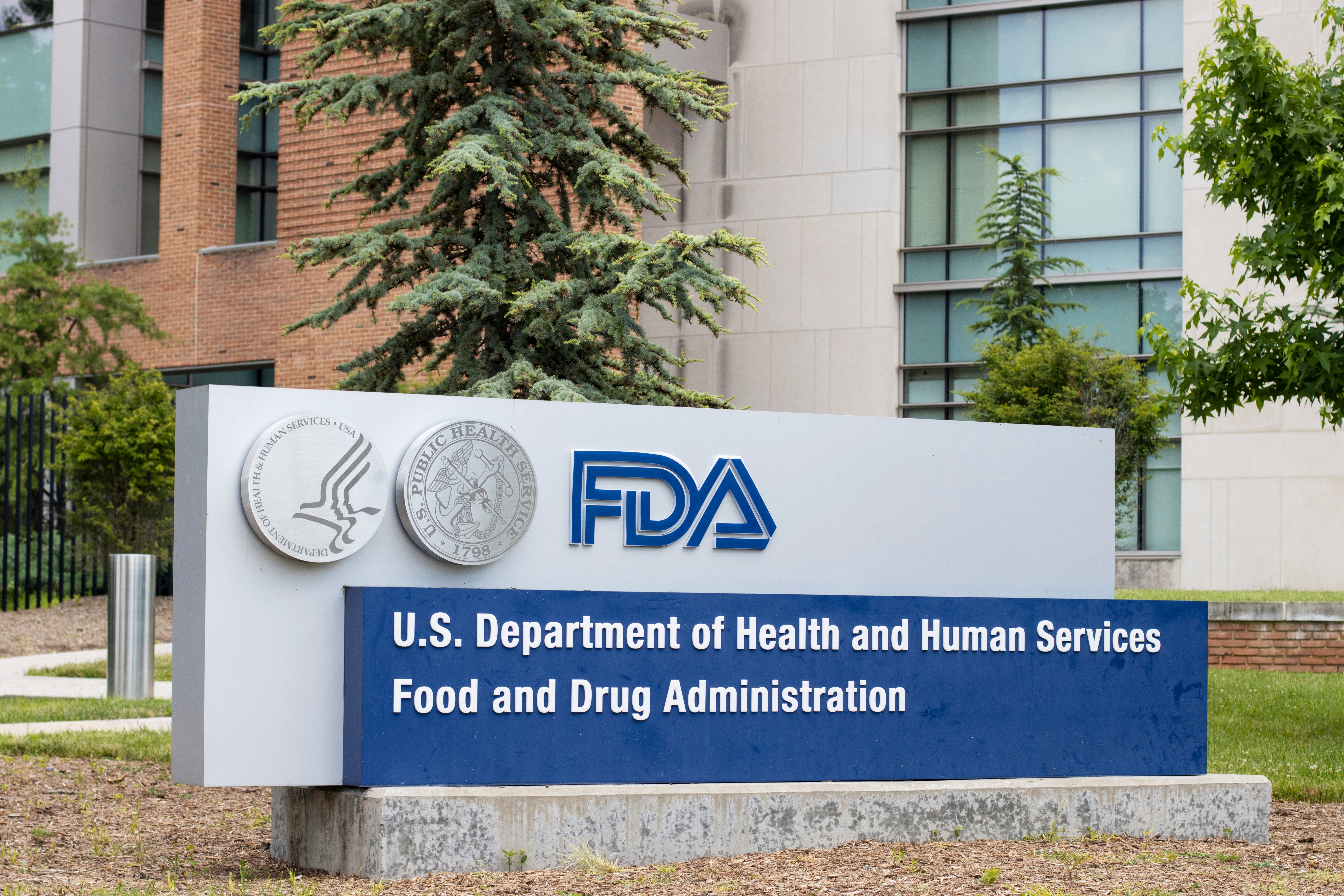
1. Court Vacates FDA's Final Rule on Laboratory-Developed Tests (LDTs)
In a significant legal development, the U.S. District Court for the Eastern District of Texas has vacated the FDA's final rule that sought to regulate laboratory-developed tests (LDTs) as medical devices. This decision, issued on March 31, 2025, nullifies the FDA's April 2024 rule that aimed to phase out enforcement discretion and impose medical device regulations on LDTs over four years.
Key Points:
Legal Basis: The court concluded that the FDA's attempt to classify LDTs as medical devices exceeded its statutory authority, emphasizing that the regulation of laboratory tests falls under the purview of the Clinical Laboratory Improvement Amendments (CLIA) rather than the Federal Food, Drug, and Cosmetic Act (FDCA).
Impact on Laboratories: With the vacating of the FDA's rule, laboratories may continue to develop and perform LDTs under CLIA regulations without additional FDA-imposed medical device requirements.
Industry Response: The decision has been met with approval from various stakeholders in the laboratory community, who had expressed concerns that the FDA's rule would hinder innovation and limit patient access to essential diagnostic tests.
Laboratories are advised to stay informed on this matter, as further legal developments or regulatory actions could arise.
2. Trump-Era Tariffs Continue to Affect Laboratory Supply Chains
Despite policy changes in other areas, many of the tariffs introduced during the Trump administration remain in place, impacting the cost and availability of lab equipment and supplies.
Increased Costs: Import duties on Chinese-made instruments and consumables have raised procurement expenses for many labs.
Supply Chain Disruptions: Labs continue to experience delays and shortages in essential items.
Strategic Sourcing: Some organizations are shifting procurement to domestic or tariff-exempt sources.
Laboratories must remain adaptable, exploring alternative suppliers and budgeting for ongoing cost fluctuations.
To learn how your lab can reduce their molecular panel costs, contact [email protected].
3. Breakthrough Blood Test for Alzheimer’s Disease
Researchers have developed a groundbreaking blood test that diagnoses and monitors Alzheimer's disease with 92% accuracy. Unlike previous tests, this assay measures the progression of the disease and distinguishes it from other cognitive impairments. Key highlights include:
Stage Differentiation: The test can identify early- vs. late-stage Alzheimer's, providing insights for personalized treatment.
Protein Biomarker: It detects MTBR-tau243, a protein linked to toxic tau accumulation in the brain, correlating with Alzheimer's severity.
Diagnostic Precision: Patients with non-Alzheimer’s cognitive issues show normal levels of the protein, while those with Alzheimer’s show increasing levels based on disease stage—up to 200 times higher in the dementia phase.
This advancement could significantly improve early detection, reduce misdiagnosis, and accelerate clinical trial enrollment for new therapies.
4. Monetizing Remnant Clinical Samples: A Missed Opportunity for Labs
It’s estimated that hundreds of thousands to over a million clinical samples are discarded daily in the U.S. after initial diagnostic testing. However, these remnant samples represent untapped value. Key benefits of repurposing include:
New Revenue Streams: Remnant, de-identified, consented samples can be sold to pharmaceutical companies, diagnostics developers, and academic researchers.
Accelerated Research: Samples are critical for validating new tests, developing treatments, and advancing precision medicine.
Operational Efficiency: Labs can reduce disposal costs while building new processes for specimen collection and inventory management.
Compliance Considerations: With IRB oversight and de-identification under HIPAA and CLIA, remnant sample programs can remain ethical and legal.
To learn how your lab can start monetizing remnant clinical samples, contact [email protected].
Interesting Fact of the Month
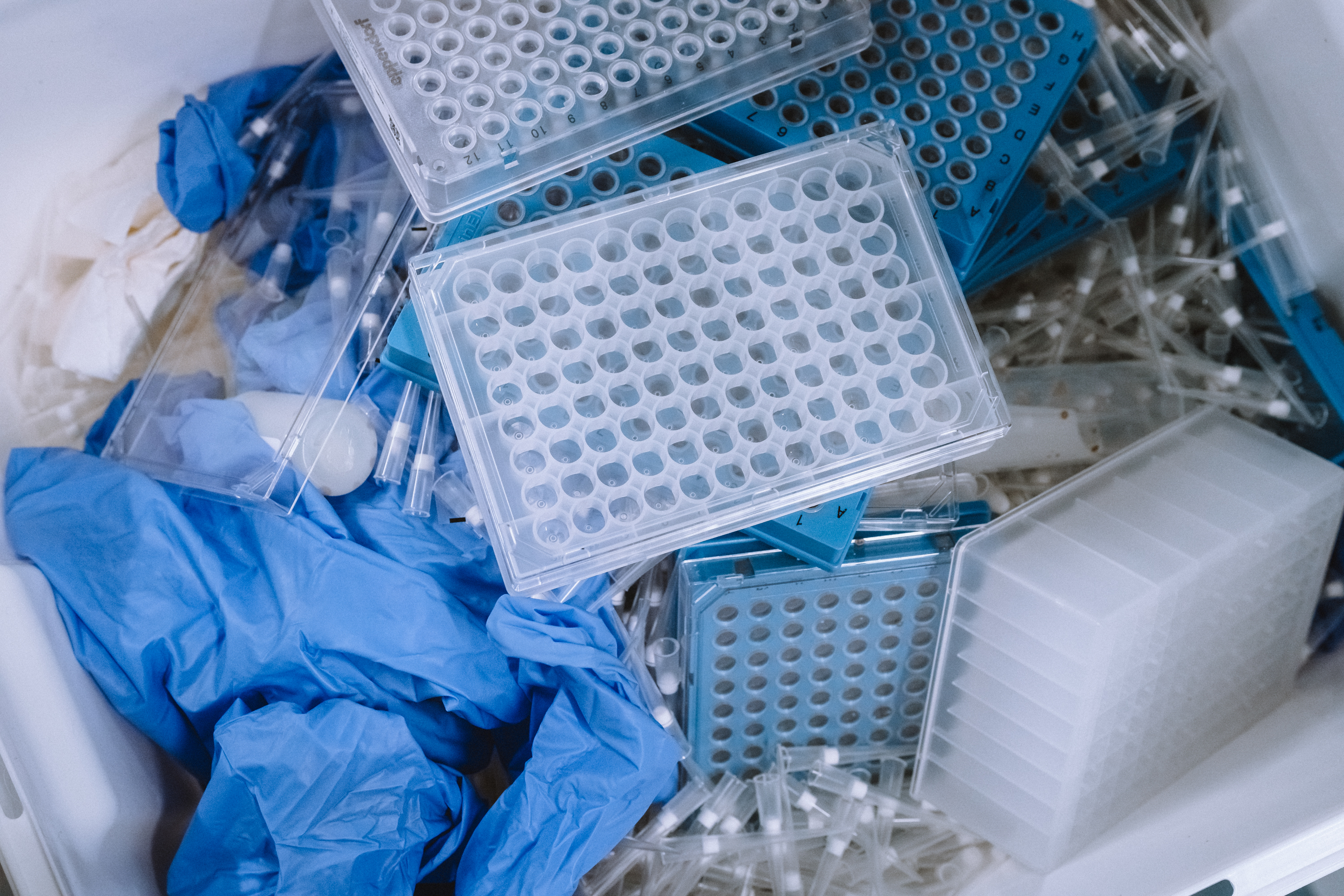
Did you know? An estimated 5 million tons of plastic waste is generated globally by scientific labs each year—enough to fill over 60 football stadiums. Small changes in lab sustainability practices can make a big difference.